


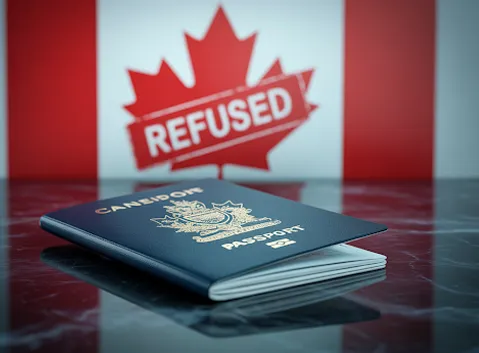
A Canadian visa refusal can be frustrating, especially when you are unsure what went wrong. While every application is assessed individually, certain issues commonly result in concerns or refusals.Understanding these issues can help you prepare a more complete and convincing application.
1. Not Demonstrating Strong TiesFor temporary visas, such as visitor visas, applicants generally need to satisfy the officer that they will leave Canada at the end of their authorized stay.Evidence of strong ties may include:
2. Insufficient Financial EvidenceApplicants need to demonstrate that they can reasonably support themselves during their stay in Canada.Bank statements, employment records, pay slips, tax documents, business records, or evidence of financial support may help demonstrate the applicant’s financial circumstances.3. Unclear Purpose of TravelYour application should clearly explain why you want to visit, study, or work in Canada.For a visitor visa, this may include information about where you will stay, how long you plan to visit, who you will visit, and how the trip will be funded.An unclear purpose can create doubts about whether the applicant meets the requirements for temporary entry.
4. Incomplete or Inconsistent InformationMissing documents or conflicting information can weaken an application.Your forms, supporting documents, employment information, financial records, and travel history should tell a consistent and accurate story.Even small errors should be reviewed carefully before submitting an application.
5. Previous Immigration IssuesPrevious visa refusals, overstays, unauthorized work or study, or other immigration issues may affect a new application.A previous refusal does not automatically mean your next application will be refused, but it is important to understand and address the reasons for the earlier decision.
6. MisrepresentationProviding false information or fraudulent documents can have serious immigration consequences.Applicants should always provide truthful information and genuine documentation, even when the information may appear less favorable.
What Should You Do After a Refusal?
A refusal does not necessarily mean you cannot pursue your plans to come to Canada.Before applying again, review the refusal carefully and identify the concerns raised by the immigration officer. Simply submitting the same application again may not address those concerns.Depending on your situation, you may need to strengthen your documentation, correct errors, provide new information, or consider another immigration pathway.
Get Help With Your Canadian Immigration Application
Preparing a strong application requires more than completing forms. Your documents and explanations should clearly demonstrate how you meet the applicable immigration requirements.Pinnock & Associates helps clients understand visa refusals, identify potential weaknesses, and develop a practical immigration strategy.Contact Pinnock & Associates to discuss your Canadian immigration options.This article provides general information and is not legal advice. Immigration requirements and procedures can change.

© 2026 Pinnock & Associates. All Rights Reserved.
Crafted with DigiCorns
